Diagenode

Universal CUT&Tag Kit

Catalog Number
Format
Price
C01070024
24 rxns
$1,205.00
Other format

Discover the Universal CUT&Tag Kit, the latest advancement in CUT&Tag technology. Engineered to unlock high-resolution chromatin profiling for non-histone targets, including transcription factors and chromatin-associated proteins—this kit enables analysis of regulatory proteins that have traditionally been more challenging to study using standard CUT&Tag workflows. While expanding capabilities to these targets, the kit maintains full compatibility with histone mapping, ensuring comprehensive coverage of chromatin components. Optimized for low input and scalable to high-throughput applications, it incorporates IgG normalization and accurate library amplification to produce consistent, high-fidelity data with minimal background noise across diverse biological contexts.

Universal CUT&Tag Kit features:

  • Expanded Target Range
    Robust, reproducible profiling of transcription factors and chromatin-associated proteins for comprehensive analysis of key regulatory elements.
  • Comprehensive Chromatin Coverage
    Full support for histone mapping and versatile interrogation of nucleosomes and associated regulatory proteins.
  • Low Input Requirement
    Reliable results from minimal material:
    • Histones: 5,000–50,000 cells
    • Chromatin-associated proteins: 5,000–100,000 cells
    • Transcription factors: 300,000 cells
  • High-Throughput Ready
    Fully compatible with 96-well formats for scalable, efficient processing of large sample sets.
  • Superior Data Quality
    IgG-based normalization and optimized amplification protocols minimize background and over-amplification, delivering highly reproducible data with enhanced interpretability.

For a complete CUT&Tag protocol, the following items must be purchased:

  • Universal CUT&Tag Kit – includes all reagents for the CUT&Tag workflow (buffers, pA-Tn5, CoA beads, DNA purification)
  • Antibody Package for CUT&Tag: anti-rabbit or anti-mouse – includes the secondary antibody, positive and negative control antibodies, and primers
  • Primer indexes for tagmented libraries – for multiplexing up to 72 samples
  • Primary antibody of interest – for highly specific results using Hologic Diagenode CUT&Tag-grade antibodies

Applications

  • Genome-wide mapping of protein-DNA interactions, including histone marks and regulatory proteins
  • Epigenomic studies requiring rare cell types or low cell input
  • High-throughput analysis across diverse sample types

  • Method Overview

    Universal CUT&Tag protocol unlocks non-histone profiling:

    • Mild fixation
      Stabilizes non-histone target binding
    • Optimized buffers
      Preserve non-histone targets and enhance efficiency/sensitivity
    • Strip-based throughput protocol
    • Optimized library amplification
      Accurate representation of DNA fragments diversity
    • IgG normalization
      Increases data confidence
    • Fully compatible with histone profiling

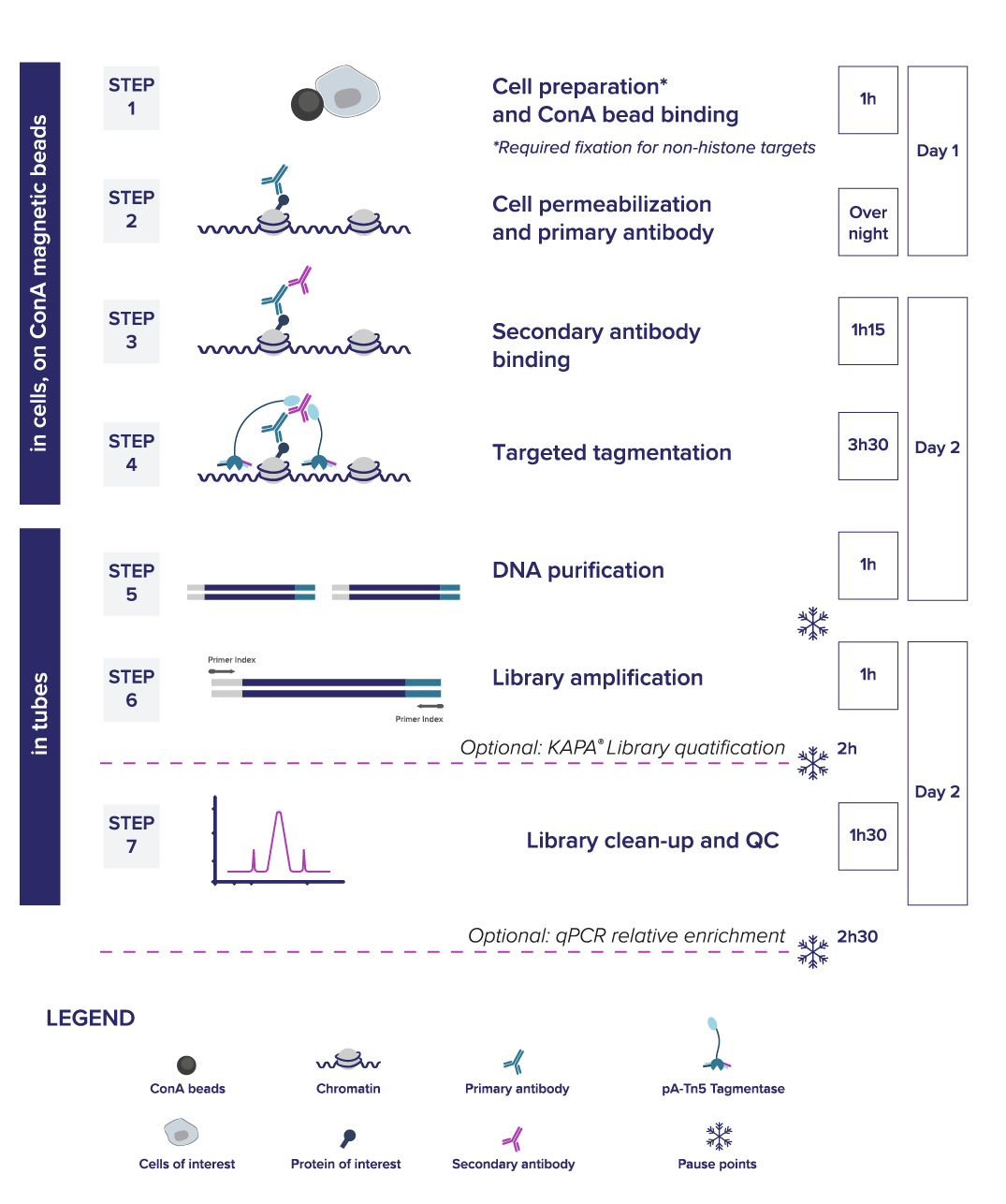
    The Universal CUT&Tag protocol involves the binding of cells on a solid phase of ConA magnetic beads, allowing magnetic handling of the cells for the major steps of the protocol. Bead-bound cells are permeabilized, then incubated with a primary antibody specific to the target of interest, followed by a secondary antibody. Hologic Diagenode’s adaptor-loaded pA-Tn5 transposase is then introduced, binding to the antibody complex. Guided by protein A, the Tn5 transposase is directed to the chromatin, precisely targeting the antibody-bound regions for tagmentation. Activation of the Tn5 transposase by Mg²⁺ ions triggers the insertion of sequencing adaptors into the targeted genomic regions. Following this step, DNA is purified, and the adaptor-tagged fragments are selectively amplified by PCR using Diagenode’s primer indexes, enabling the generation of high-quality libraries for sequencing. To ensure consistent, high-fidelity data, the Universal CUT&Tag workflow includes two optional protocols: intermediate quantification of unpurified libraries (for the assessment of the library to avoid overamplification) and evaluation of relative enrichment by qPCR (a quality check to determine the enrichment over a positive region to ensure the expected performance of the protocol).

    Universal CUT ang Tag Workflow
  • Universal CUT&Tag Data

    Universal CUT&Tag Kit Enables Robust Profiling of Diverse Non‑Histone Targets Across Cell Types

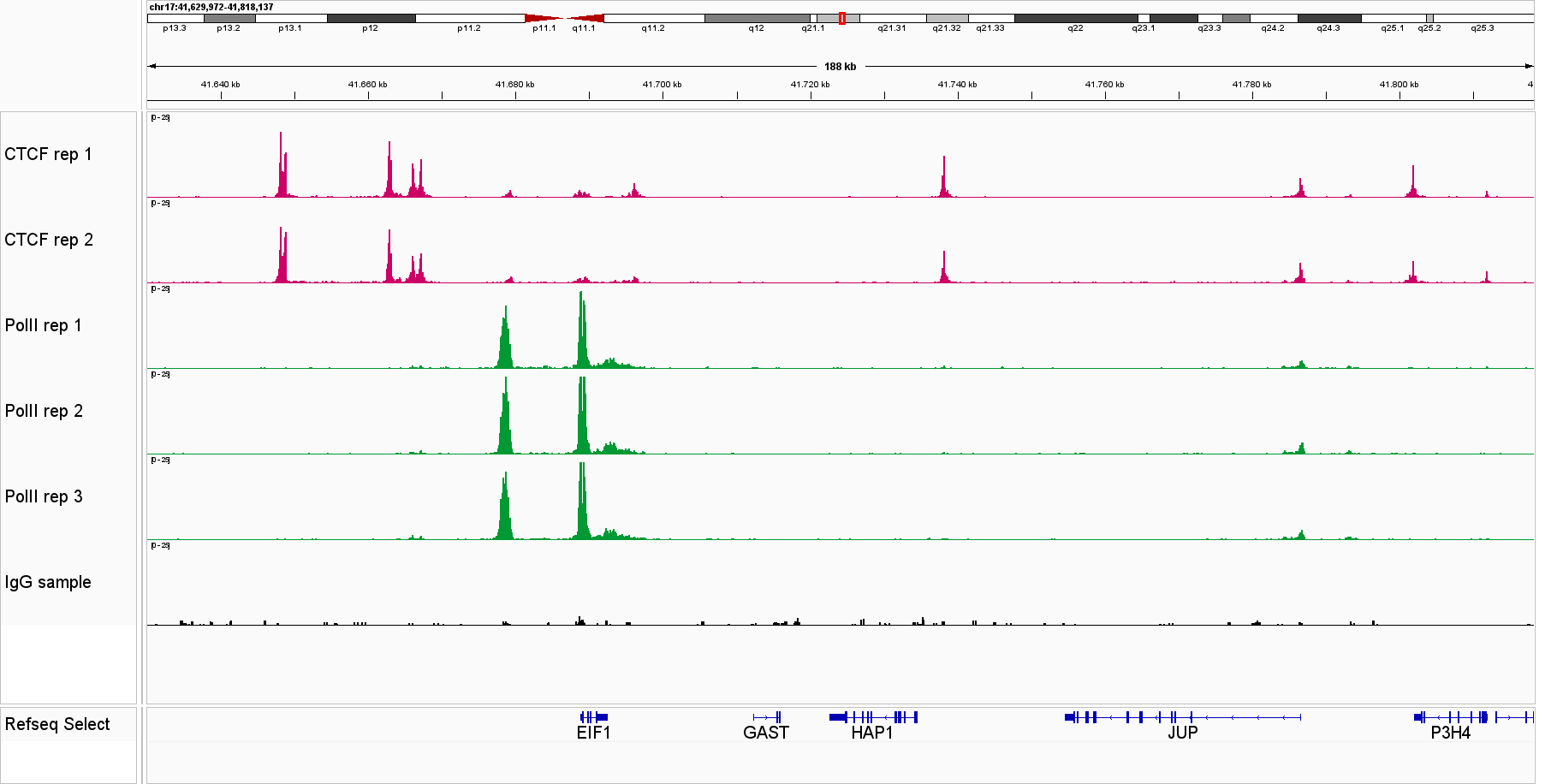
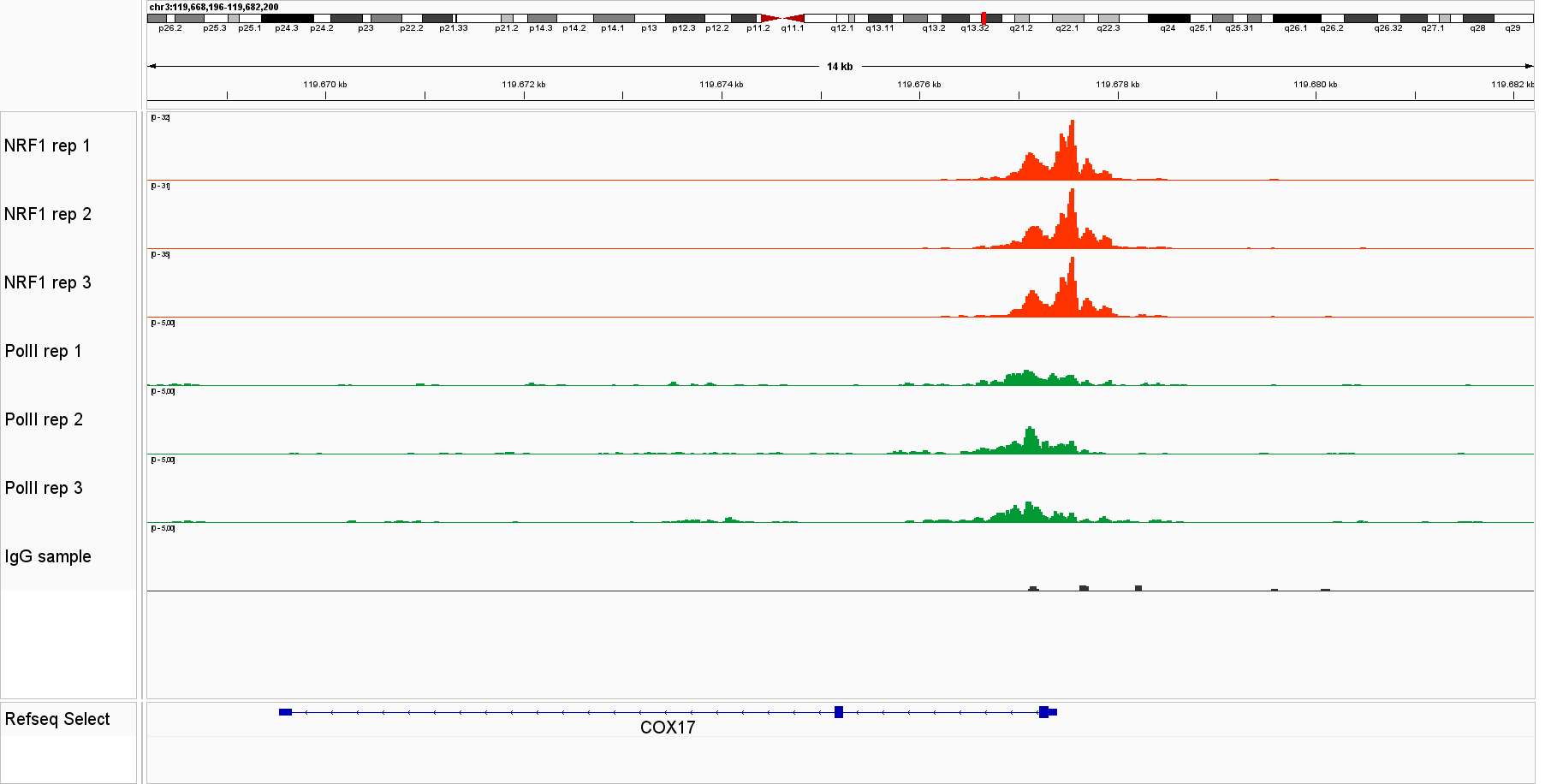
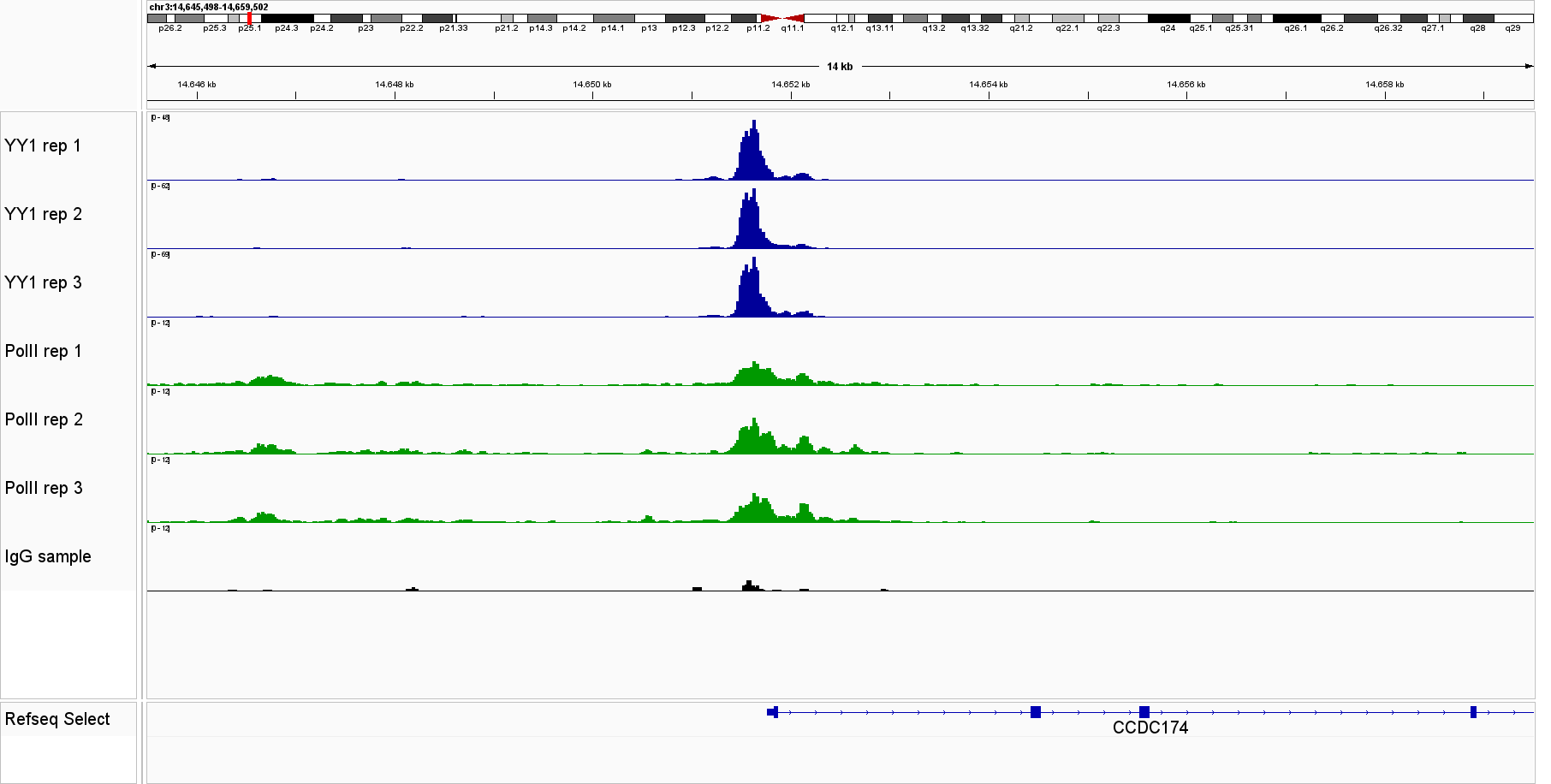
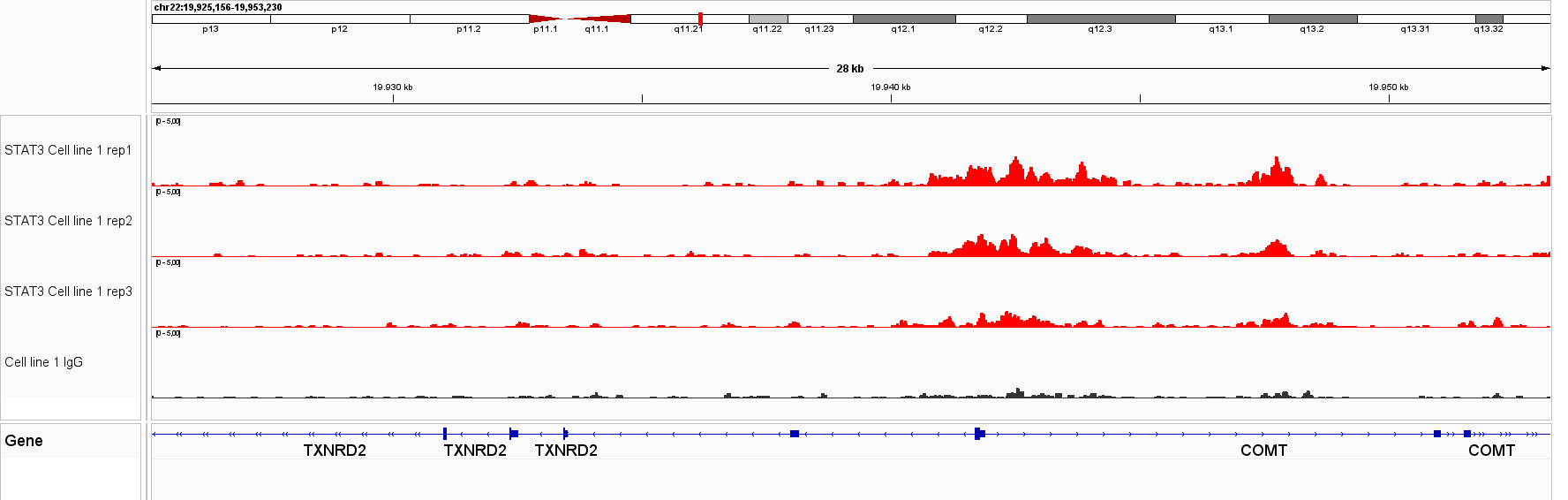
    Universal CUT&Tag profiles reveal strong and specific enrichment of transcription factors at known target loci across diverse cell lines and targets. Figure 1. IGV tracks for CTCF, Pol II, STAT3, STAT5A, NRF1 and YY1 in leukemia cells lines and K562 cells, demonstrating consistent signal and low background.

    A.
    B.
    C.
    D.
    E.
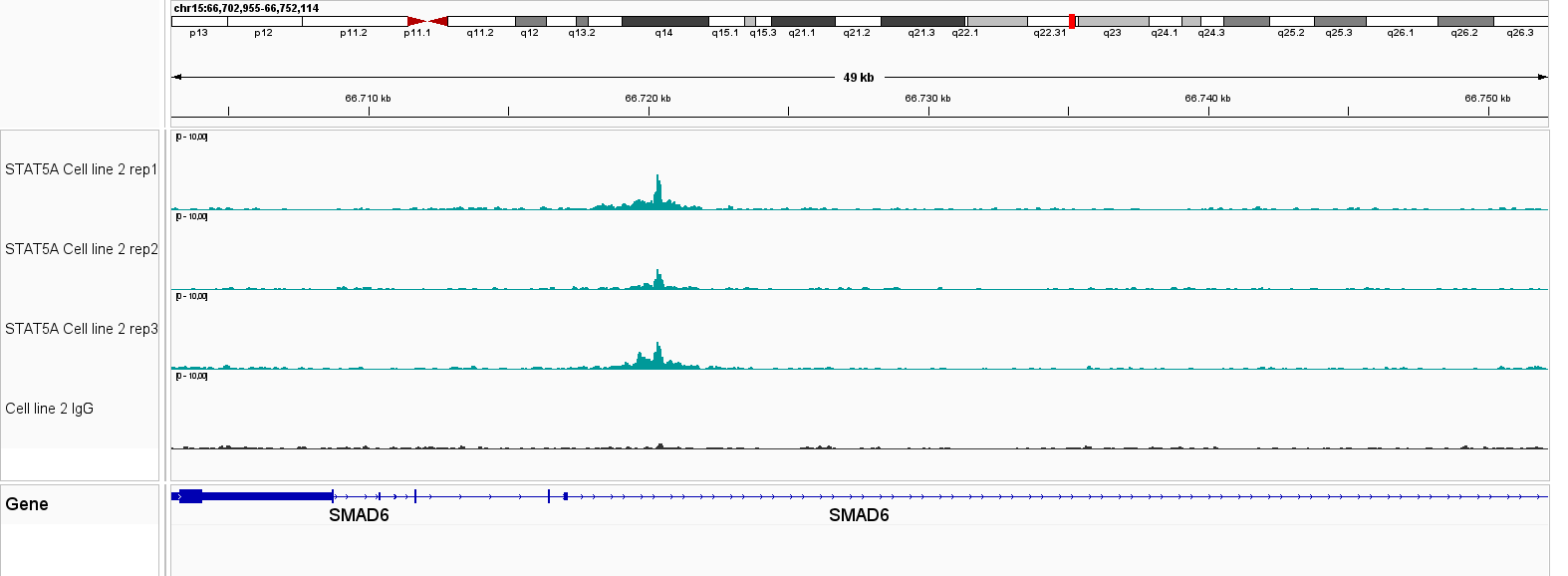
    Figure 1. IGV genome browser views of CUT&Tag profiles generated with the Universal CUT&Tag Kit from 300,000 cells per sample. Shown are six non‑histone targets—STAT3 and STAT5A (leukemia cell lines, in collaboration with Dr. Eleni Katsantoni’s laboratory, BRFAA, Athens, Greece) and CTCF, RNA Polymerase II, NRF1, and YY1 (K562 cells). Genomic loci displayed represent well‑established, target‑specific regions for each antibody. Replicates show highly concordant peaks, confirming assay reproducibility, while IgG controls exhibit low background. All targets display clear, specific enrichment. In K562 cells, NRF1 and YY1 profiles are shown alongside RNA Polymerase II, illustrating co‑localization at expressed genes and supporting the link between transcription factor binding and active transcription.

    Universal CUT&Tag Demonstrates Specific Peak Enrichment

    SUZ12 and H3K27me3 Signal at HOXA Cluster.
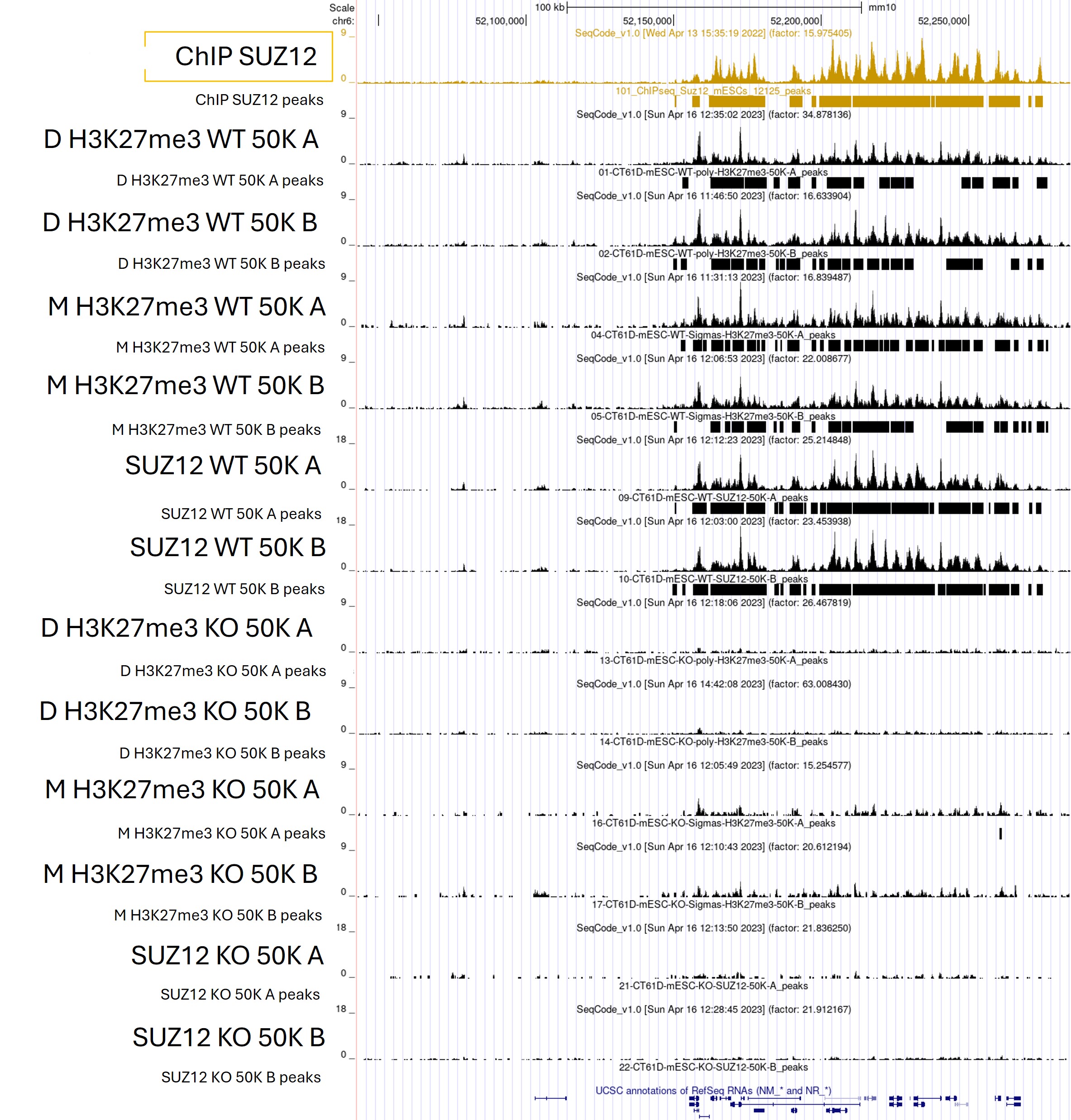
     

    Figure 2. CUT&Tag profiles generated with the Universal CUT&Tag Kit from 50,000 wild‑type and SUZ12 knockout mESCs, kindly provided by Luciano Di Croce’s laboratory, show strong SUZ12 and H3K27me3 enrichment at the HOXA cluster in wild‑type cells and loss of both signals in the knockout—consistent with published evidence that SUZ12 deletion disrupts H3K27me3 deposition. This expected gain‑and‑loss pattern robustly confirms the assay’s target specificity. A published SUZ12 ChIP‑seq track from 1 million cells is shown as a reference, demonstrating that CUT&Tag produces comparable, high‑quality profiles from far fewer cells. Replicates A and B derive from one experiment, while D and M represent two independent experiments.

    Robust Performance from Minimal Input
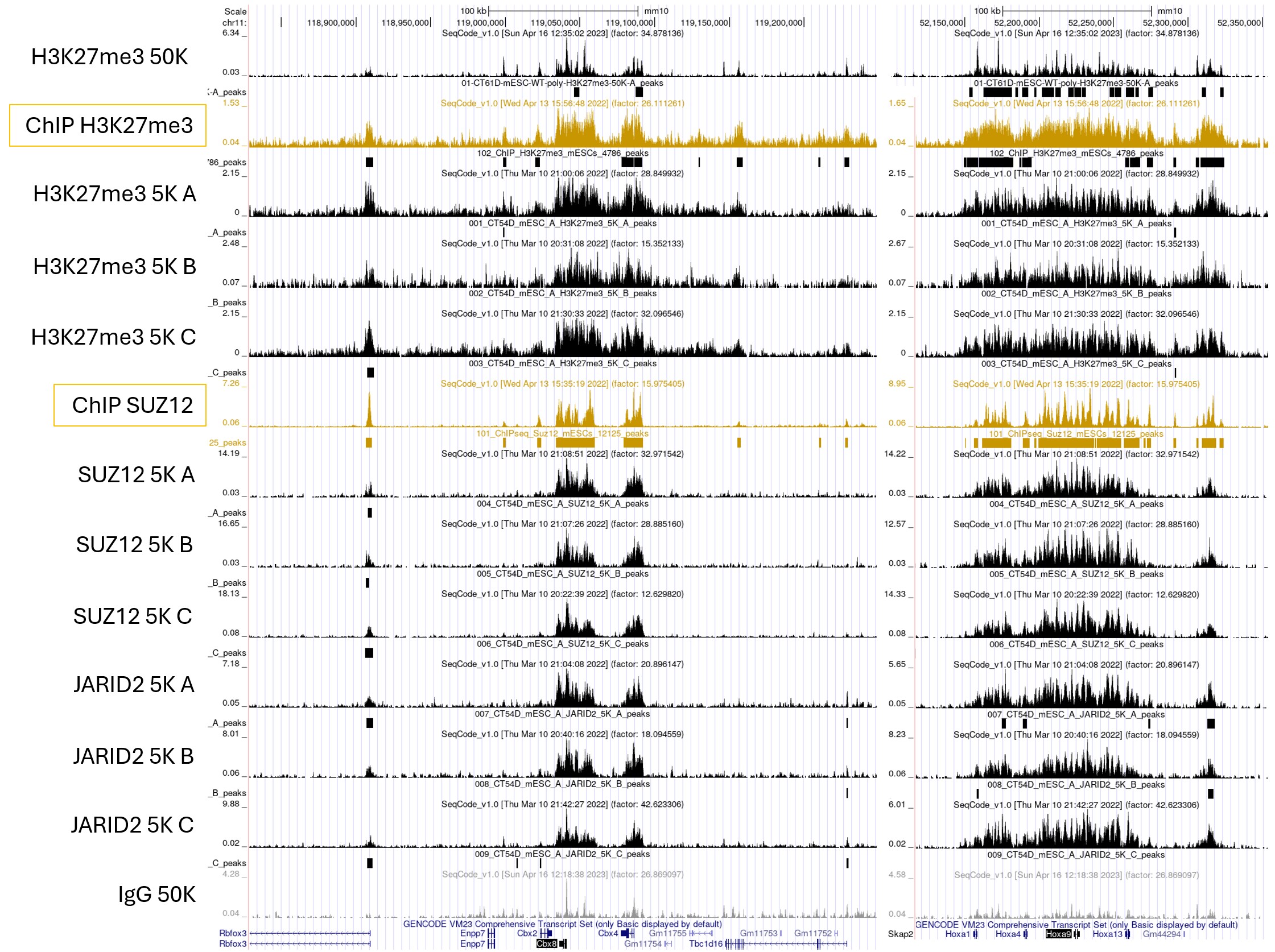
    Figure 3. Universal CUT&Tag protocol enables high-quality chromatin profiling from as few as 5,000 mESCs cells, demonstrated across both histone marks (H3K27me3) and chromatin-associated proteins such as SUZ12 and JARID2. Clear enrichment is observed at key loci—including the HoxA cluster and Cbx2/4/8—with signal comparable to the published ChIP-seq reference. IgG serves as the negative control, and samples A, B, and C represent experimental replicates.

    Data Quality Enhancement via IgG Normalization

    A.
    B.


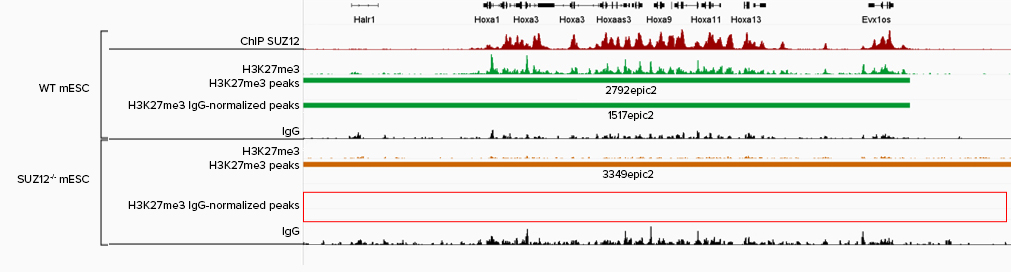
    Figure 4. Refined Peak Calling with IgG Normalization. IgG normalization improves peak‑calling accuracy in CUT&Tag data. IGV tracks show H3K27me3 profiles (panel A) in wild‑type (green) and SUZ12 knockout (yellow‑brown) mESCs at the HOXA cluster, with peak‑caller outputs displayed below each track. The SUZ12 knockout mESCs, kindly provided by Luciano Di Croce’s laboratory, lack H3K27me3 deposition, consistent with published evidence that SUZ12 loss disrupts PRC2‑mediated H3K27me3. Before IgG normalization, residual background signal in knockout cells is incorrectly called as peaks, whereas normalization removes these false positives while preserving true H3K27me3 enrichment in wild‑type cells. CTCF profiles (panel B) are shown as a control unaffected by SUZ12 loss, demonstrating that normalization preserves genuine peaks for targets independent of PRC2 function. Overall, IgG normalization enhances CUT&Tag specificity by eliminating false positives while maintaining robust, biologically meaningful signals.

    Protein A-Tn5 Is Compatible with Monoclonal Antibodies: High-Quality Profiling Demonstrated

    Figure 5. IGV browser tracks show CUT&Tag profiles of H3K9ac and H3K9me3 histone marks in K562 cells (50,000 cells per assay) using either monoclonal (mAb) or polyclonal (pAb) antibodies for each target. Comparable signal and peak enrichment demonstrate that Hologic Diagenode pA-Tn5 enables robust profiling with both monoclonal and polyclonal antibodies, indicating that pAG-Tn5 is not required. Antibodies used: H3K9ac pAb, Cat. no. C15410004; H3K9ac mAb, Cat. no. C152100185; H3K9me3 mAb, Cat. no. C15200146; H3K9me3 pAb, Cat. no. C15410056.

    Highly Specific NRF1 CUT&Tag Recapitulates ENCODE Profiles and Expected K562 Programs

    A.
    B.
    C.


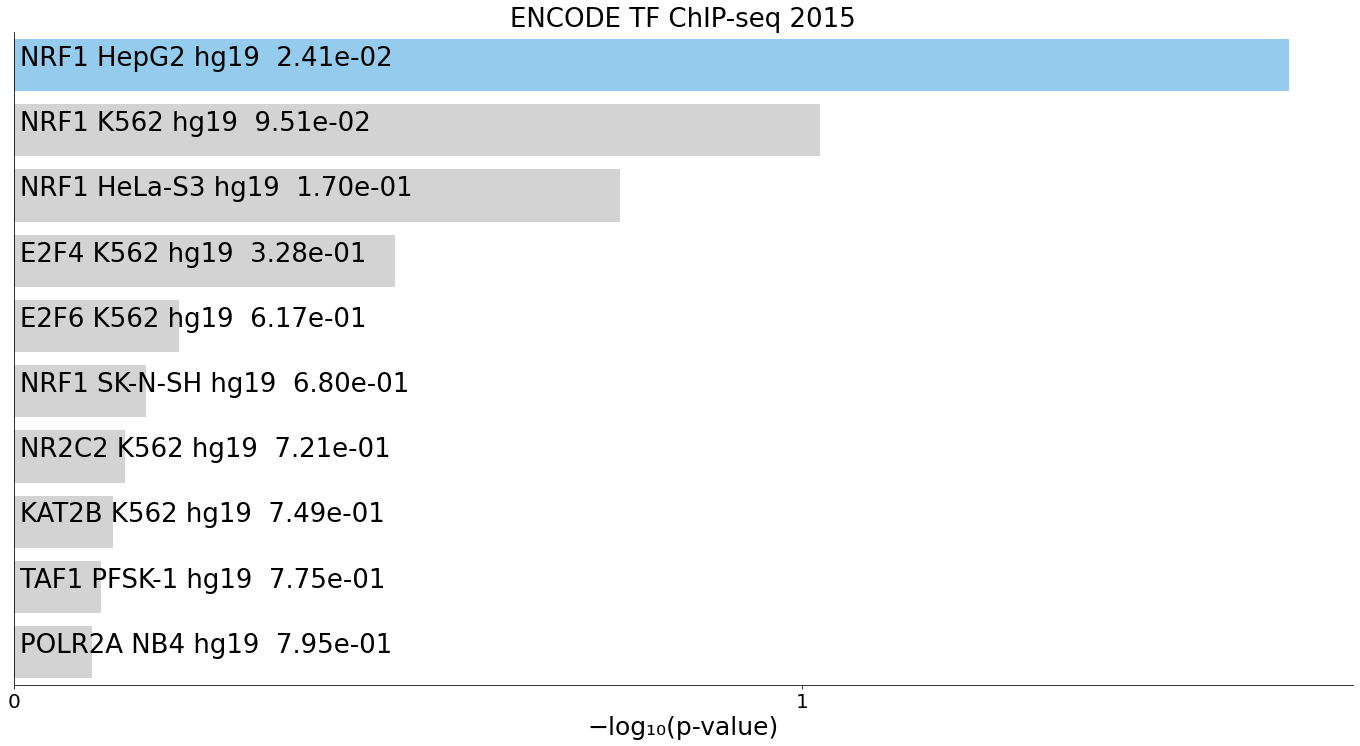
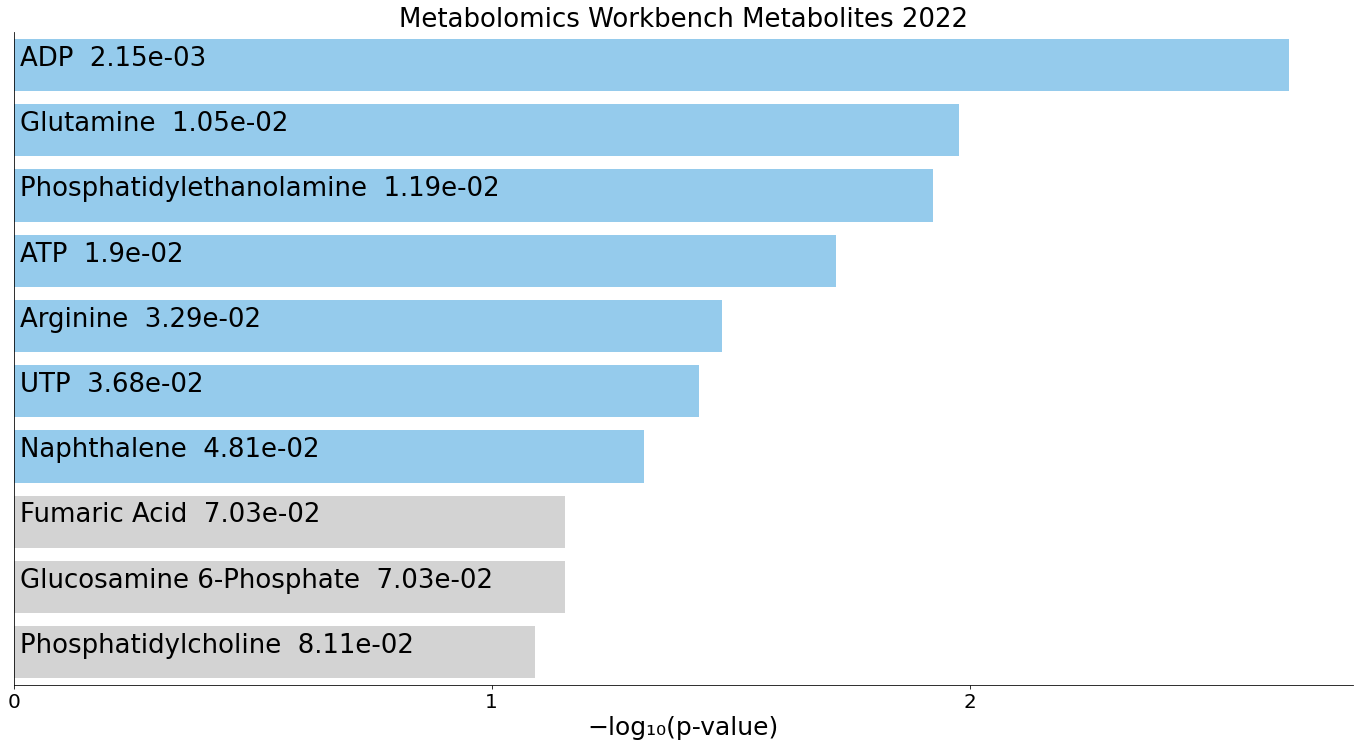
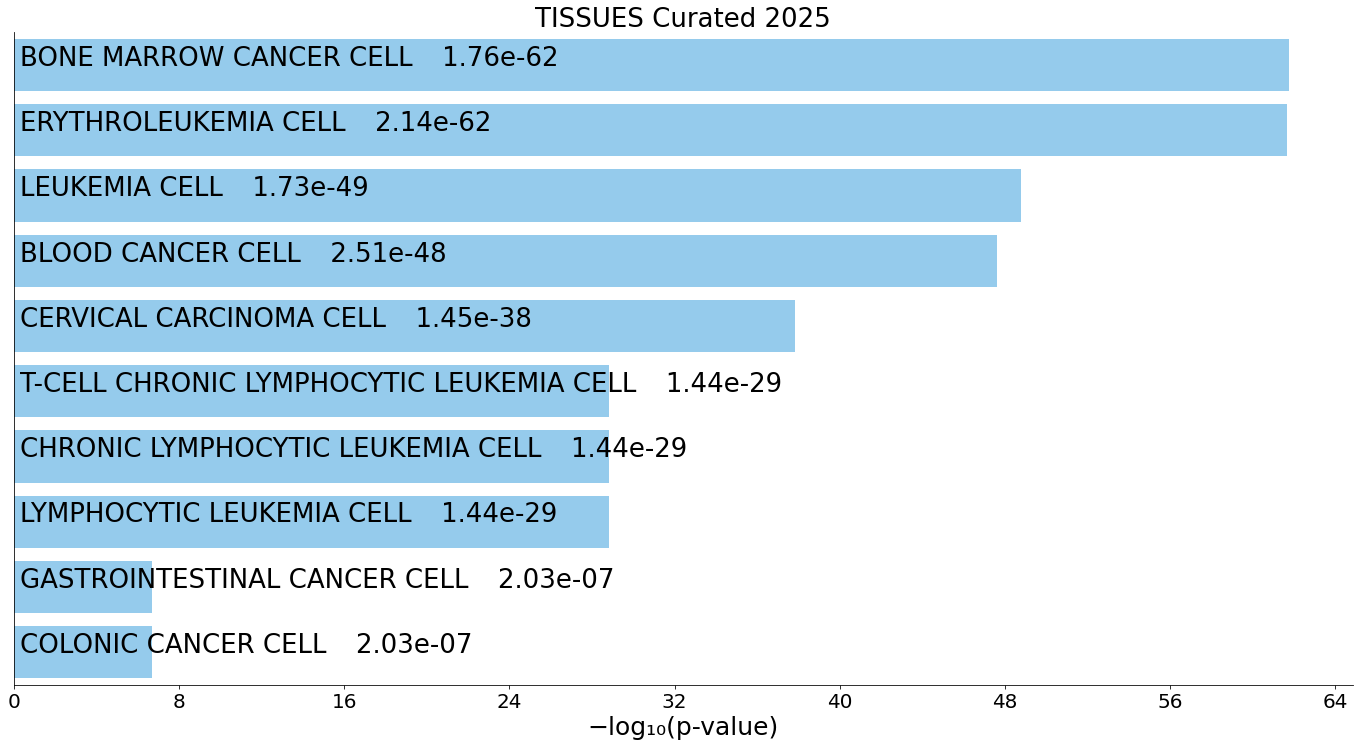
    Figure 6. CUT&Tag profiling of NRF1 in K562 cells demonstrates high specificity through strong concordance with ENCODE NRF1 ChIP‑seq datasets and recapitulates expected metabolic and erythroid‑lineage programs.
    CUT&Tag profiling was performed using the Universal CUT&Tag kit on 300,000 K562 cells with an NRF1 antibody. Peak‑associated genes were derived from the resulting NRF1 peak set, and functional similarity was assessed by screening against public gene‑set libraries using EnrichR.
    (A) ENCODE_TF_ChIP‑seq_2015 enrichment.
    NRF1 CUT&Tag peaks show near‑perfect concordance with ENCODE NRF1 ChIP‑seq signatures, providing strong orthogonal validation of assay specificity, data quality, and accurate identification of NRF1 binding sites.
    (B) Metabolomics_Workbench_Metabolites_2022 enrichment.
    NRF1‑bound regions are significantly enriched for pathways involving ATP, ADP, glutamine, and phosphatidylethanolamine, reflecting NRF1’s well‑established involvement in mitochondrial regulation and metabolic gene network control.
    (C) TISSUES_Curated_2025 enrichment.
    Tissue‑signature enrichment highlights strong erythroid‑lineage and bone‑marrow–derived programs, fully consistent with the erythroleukemia origin of K562 cells and confirming cell‑identity fidelity in the generated CUT&Tag dataset.
    For all panels, the top 10 enriched terms are displayed as bar charts ranked by –log10(p‑value), with the corresponding p‑value shown alongside each term.

  • Performance Comparison: Universal CUT&Tag vs CUT&RUN

    Comparable Histone Profiling with Universal CUT&Tag and CUT&RUN Protocols

    A.
    B.

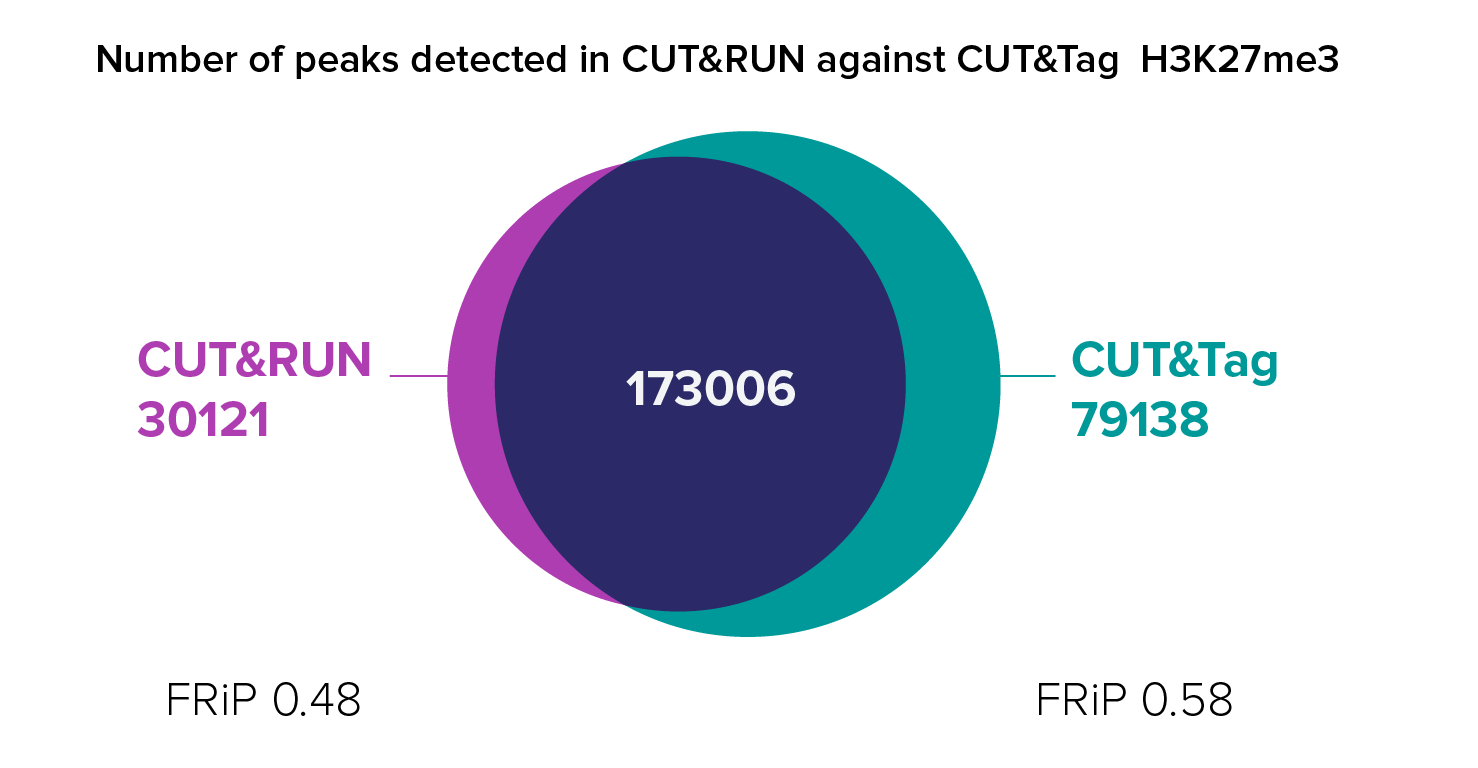
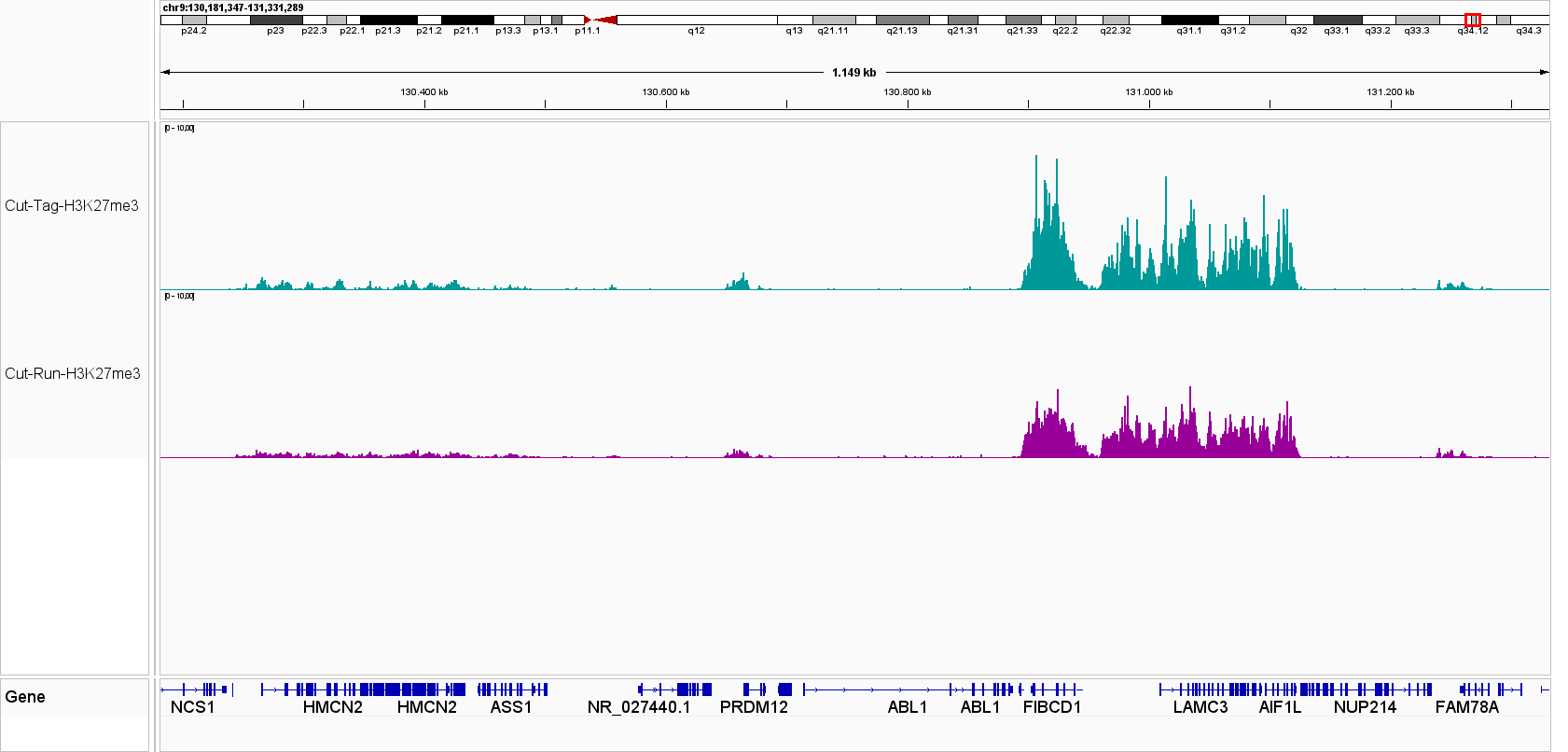
    Figure 1. H3K27me3 profiling using Universal CUT&Tag and CUT&RUN protocols shows similar performance across key metrics. Data were generated using H3K27me3 antibodies in K562 cells according to kit instructions. Panel A: Comparable peak counts and significant overlap between protocols with similar FRiP scores. Panel B: IGV browser tracks show H3K27me3 profiles generating using Universal CUT&Tag kit and CUT&Run kit from a competitor.

    Universal CUT&Tag Outperforms CUT&RUN and Conventional CUT&Tag in Peak Detection and Enrichment

    NRF1 profiling

    A.
    B.


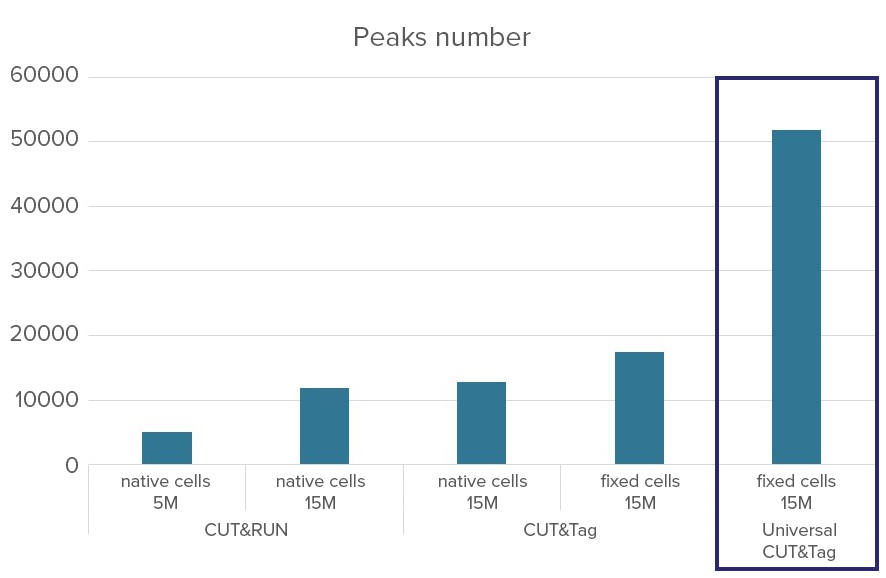
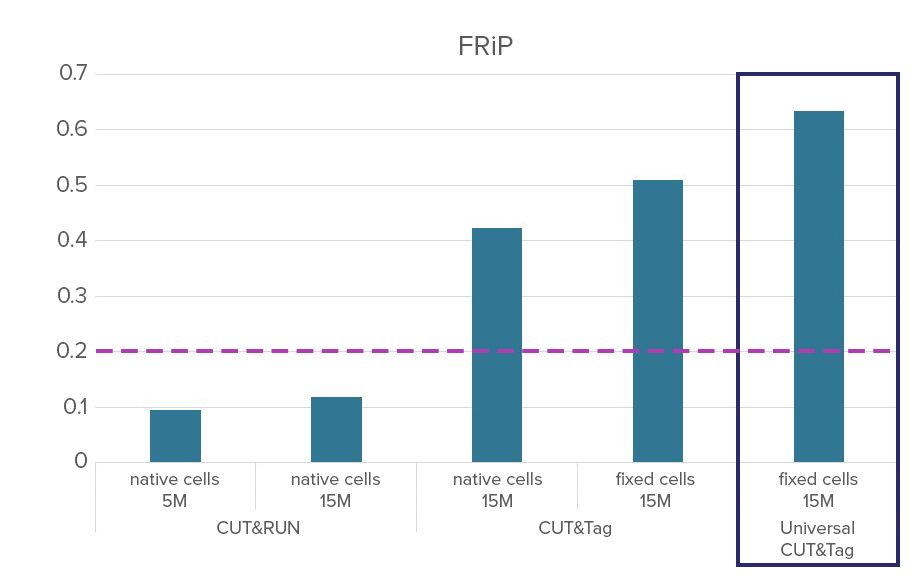
    Figure 2. Comparison of chromatin profiling methods: CUT&RUN, conventional CUT&Tag, and Universal CUT&Tag. For CUT&RUN, experiments were performed on native cells using a commercial kit as per the manufacturer’s protocol; fixation was tested but resulted in poorer performance, so only native cell data are shown. CUT&RUN libraries were sequenced at two depths: 5 million reads (the provider’s recommendation) and 15 million reads (to match Universal CUT&Tag). Conventional CUT&Tag was performed on both native and fixed cells, with both results shown. Universal CUT&Tag (Hologic Diagenode) was performed on fixed cells according to our protocol. Bar plots show the total number of detected peaks (left) and FRiP scores (fraction of reads in peaks; right) for each method and condition. Universal CUT&Tag yields the highest peak counts and FRiP scores, outperforming both conventional CUT&Tag and CUT&RUN at all sequencing depths. CUT&RUN shows the lowest performance, particularly at lower sequencing depths, and fails to reach the ENCODE ChIP-seq FRiP quality threshold of 0.2 (dashed purple line), whereas Universal CUT&Tag exceeds this threshold, indicating superior enrichment and signal-to-noise.

    Superior Transcription Factor Profiling with Universal CUT&Tag Compared to CUT&RUN

    Universal CUT&Tag Achieves Higher Sensitivity Without Compromising Specificity.

    A.

    B.
    C.


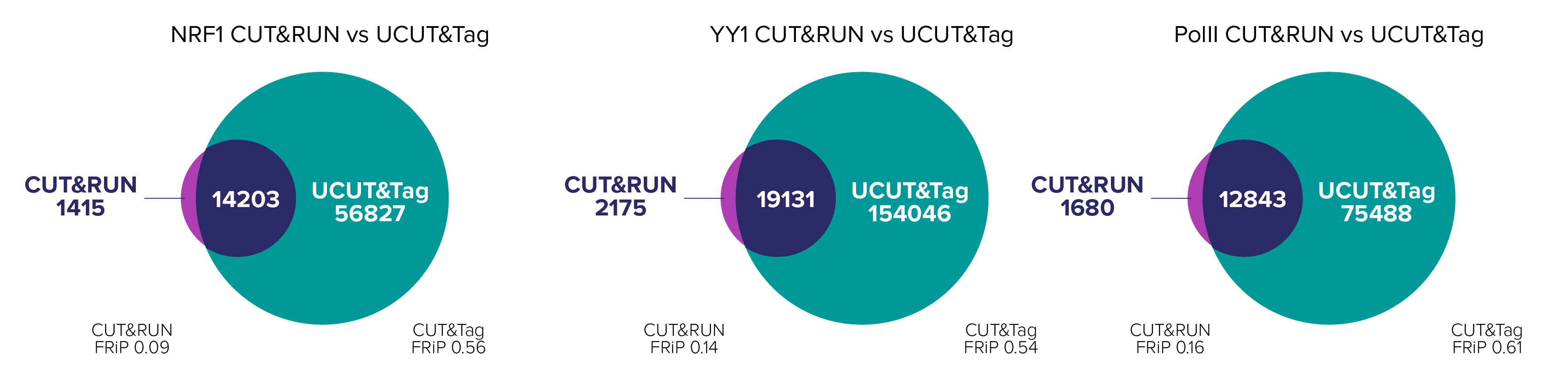
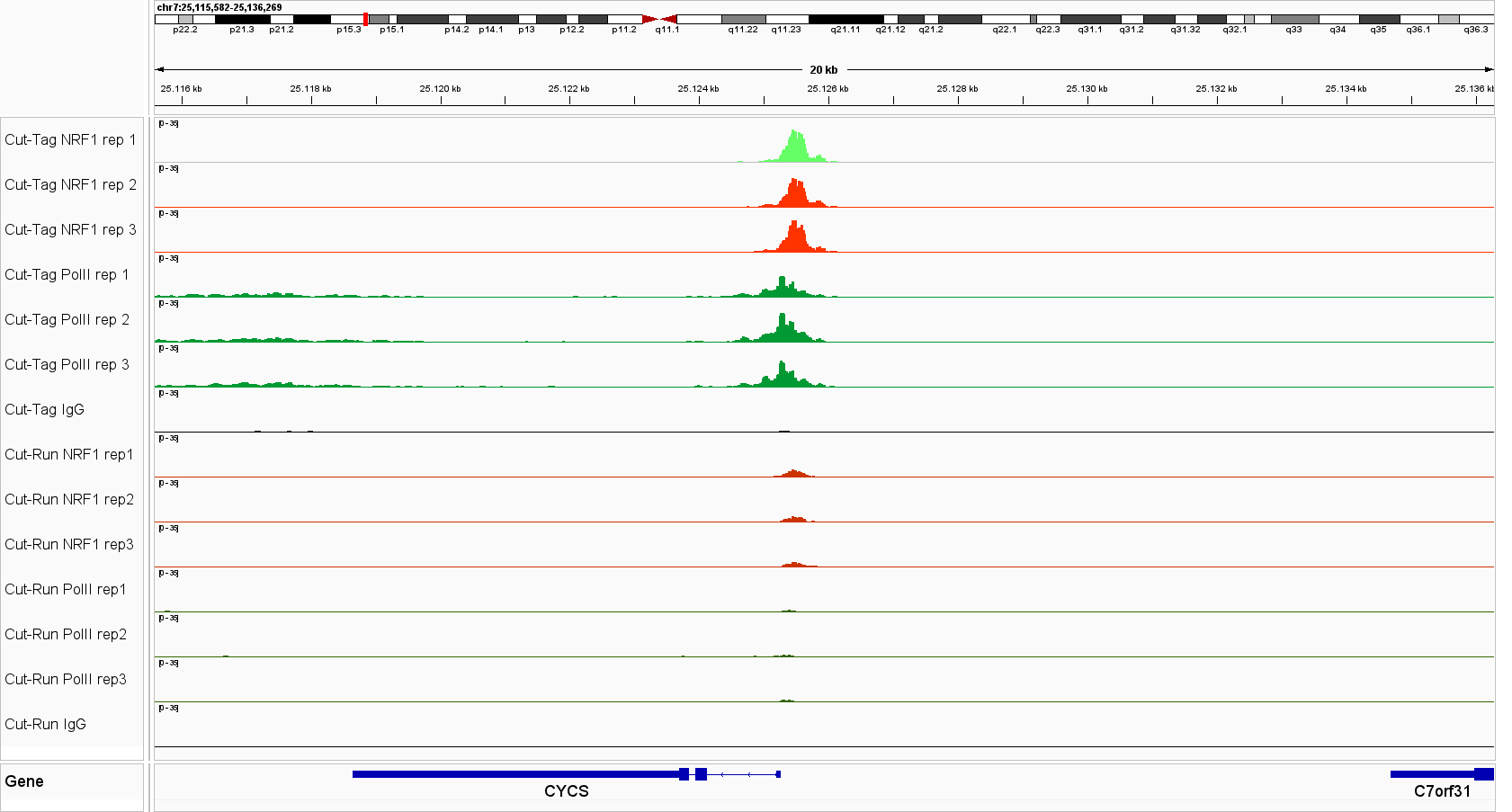
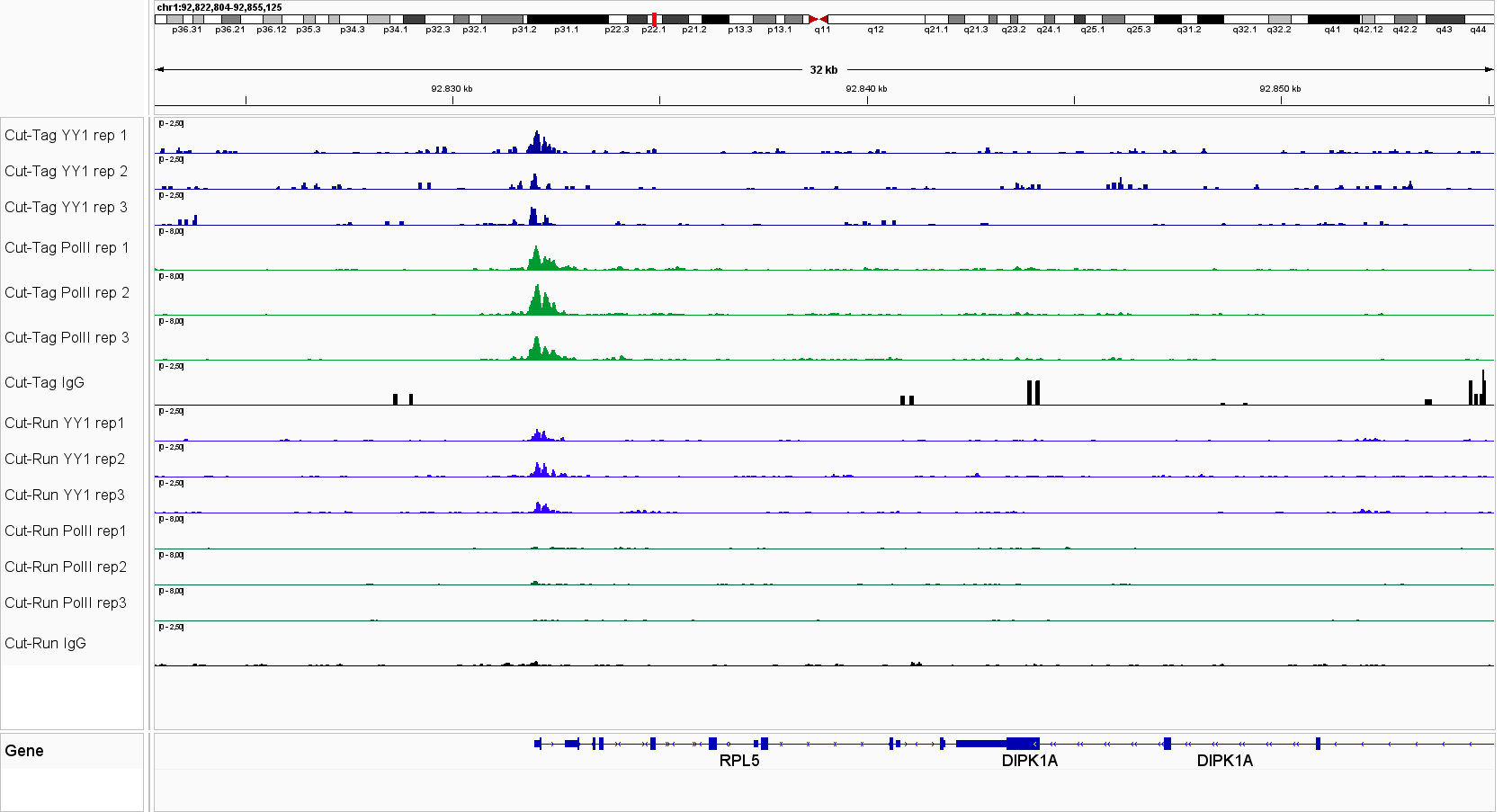
    Figure 3. Overlap of CUT&RUN and CUT&Tag peaks and signal quality comparison. (A) Overlap analysis (Venn diagram) demonstrates that the majority of CUT&RUN peaks are detected by CUT&Tag; however, CUT&Tag identifies substantially more peaks and achieves significantly higher FRiP scores, indicating an improved signal-to-noise ratio. (B) Representative IGV tracks for NRF1 and RNA Polymerase II, and (C) representative IGV tracks for YY1 and RNA Polymerase II, demonstrate that CUT&Tag systematically produces higher signal intensity at target loci compared with CUT&RUN, confirming more efficient target capture and improved data quality. Experimental details: CUT&RUN was performed on 500,000 native K562 cells using a commercial kit according to the manufacturer’s protocol. Fixation was tested but yielded reduced performance, so only native cell data are shown. CUT&RUN libraries were sequenced at 15 million reads to ensure adequate sensitivity; sequencing at the provider recommended 5 million reads resulted in a substantial loss of detected peaks (data not shown). Universal CUT&Tag (Hologic Diagenode) was performed on 300,000 fixed K562 cells according to our protocol. IgG tracks serve as negative controls.

    Finger plot Analysis Confirms Superior Enrichment with Cut&Tag

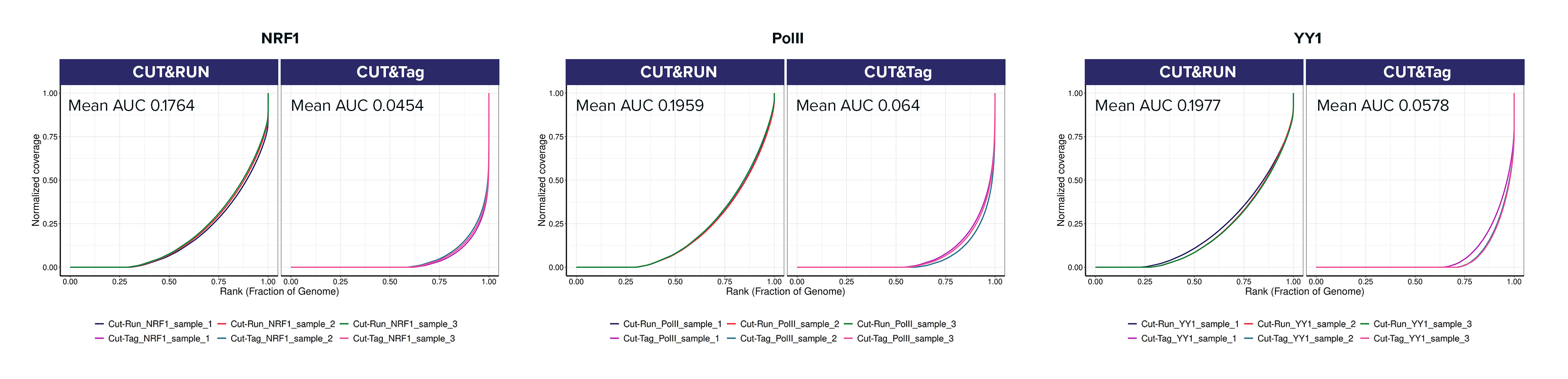
    Figure 4. Fingerplot analysis comparing CUT&Tag and CUT&RUN enrichment for three targets (YY1, RNA Polymerase II, and NRF1). Fingerplots display the cumulative fraction of reads ranked by signal intensity, providing a measure of enrichment. The Area Under the Curve (AUC) reflects the overall distribution: lower AUC indicates stronger enrichment, as reads are concentrated in fewer, high-signal regions. CUT&Tag consistently shows lower AUC values compared to CUT&RUN.

  •  Documents
  •  Publications

    How to properly cite our product/service in your work

    We strongly recommend using this: Universal CUT&Tag Kit (Hologic Diagenode Cat# C01070024). Click here to copy to clipboard.

    Using our products or services in your publication? Let us know!

  •  Related products

Events

 See all events


       Site map   |   Contact us   |   Conditions of sales   |   Conditions of purchase   |   Privacy policy