

Histones are the main constituents of the protein part of chromosomes of eukaryotic cells. They are rich in the amino acids arginine and lysine and have been greatly conserved during evolution. Histones pack the DNA into tight masses of chromatin. Two core histones of each class H2A, H2B, H3 and H4 assemble and are wrapped by 146 base pairs of DNA to form one octameric nucleosome. Histone tails undergo numerous post-translational modifications, which either directly or indirectly alter chromatin structure to facilitate transcriptional activation or repression or other nuclear processes. In addition to the genetic code, combinations of the different histone modifications reveal the so-called “histone code”. Histone methylation and demethylation is dynamically regulated by respectively histone methyl transferases and histone demethylases.
H3K36me3 Antibody - ChIP Grade (sample size)

Monoclonal antibody raised in mouse against histone H3 trimethylated at lysine 36 (H3K36me3), using a KLH-conjugated synthetic peptide.
| Lot | 001-12 |
|---|---|
| Concentration | 1.0 µg/µl |
| Species reactivity | Human, rat: positive. Other species: not tested. |
| Type | Monoclonal, ChIP-grade, CUT&Tag-grade |
| Purity | Protein A purified |
| Host | Mouse |
| Storage Conditions | Store at -20°C; for long storage, store at -80°C. Avoid multiple freeze-thaw cycles. |
| Storage Buffer | PBS containing 0.05% azide. |
| Precautions | This product is for research use only. Not for use in diagnostic or therapeutic procedures. |
| Applications | Suggested dilution | References |
|---|---|---|
| ChIP* | 0.5 - 1 μg/ChIP | Fig 1 |
| CUT&Tag | 1 µg | Fig 2 |
| ELISA | 1:3,000 | Fig 3 |
| Western Blotting | 1:1,000 - 1:2,000 | |
| Immunofluorescence | 1:500 | Fig 4 |
* Please note that the optimal antibody amount per IP should be determined by the end-user. We recommend testing 0.5-1 μg per IP.
- Validation Data
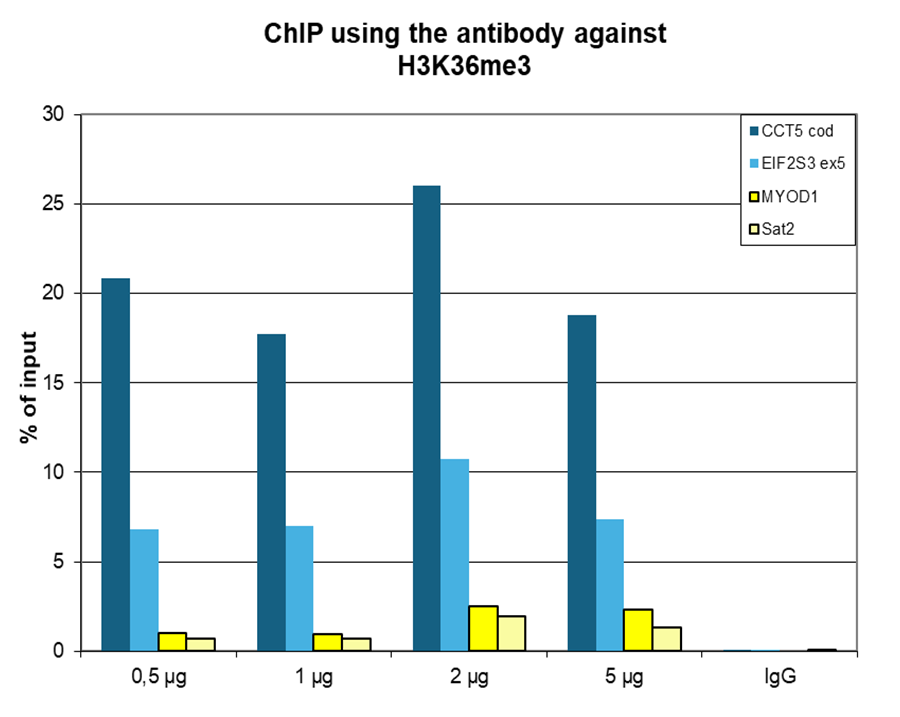
Figure 1. ChIP results obtained with the monoclonal antibody directed against H3K36me3
ChIP assays were performed using human HeLa cells, the monoclonal antibody against H3K36me3 (cat. No. C15200183), and optimized PCR primer pairs for qPCR. ChIP was performed using sheared chromatin from 1 million cells. A titration of 0.5, 1, 2, and 5 µg of antibody per ChIP experiment was analyzed. IgG (1 µg/IP) was used as a negative IP control. Quantitative PCR was performed with primers specific for the coding regions of the active EIF2S3 and CCT5 genes (used as positive controls) and for the inactive MYOD1 gene and the Sat2 satellite repeat (used as negative controls). Figure 1 shows the recovery, expressed as a % of input (the relative amount of immunoprecipitated DNA compared to input DNA after qPCR analysis).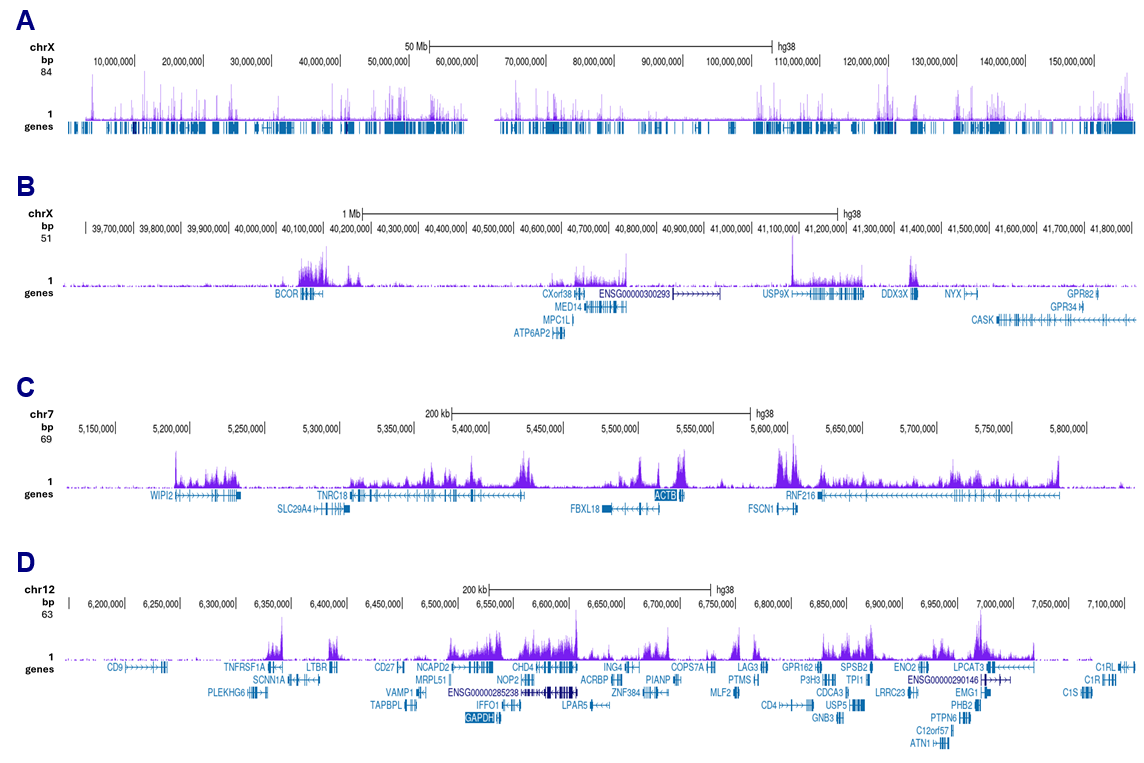
Figure 2. Cut&Tag results obtained with the monoclonal antibody directed against H3K36me3
Cut&Tag was performed on 50,000 K562 cells using 1 µg of the monoclonal antibody against H3K36me3 (cat. No. C15200183), the pA-Tn5 transposase (C01070001), and the iDeal Cut&Tag kit (cat. No. C01070021). The libraries were subsequently analyzed on an Illumina NovaSeq sequencer (2x50 paired-end reads) according to the manufacturer’s instructions. The tags were aligned to the human genome (hg38) using the BWA algorithm. Figure 2 shows the peak distribution along the complete sequence and a 2 Mb region of the X chromosome (Figure 2A and 2B), and in two genomic regions on chromosomes 7 and 12 (Figure 2C and 2D, respectively).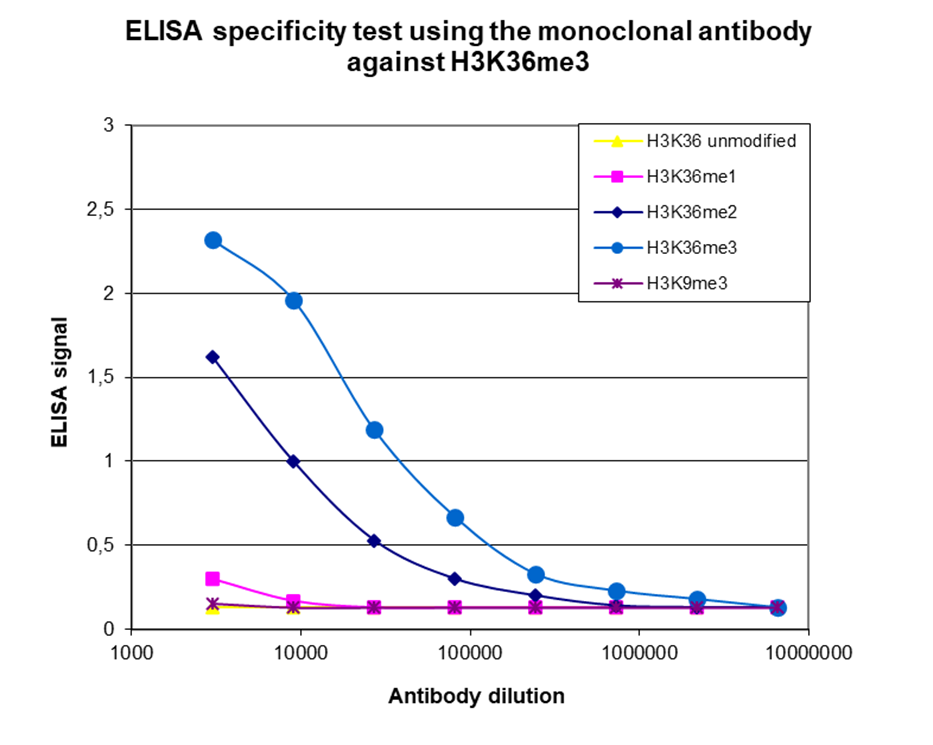
Figure 3. Cross reactivity of the monoclonal antibody directed against H3K36me3
To test the specificity, an ELISA was performed using a serial dilution of the monoclonal antibody against H3K36me3 (cat. No. C15200183). The wells were coated with peptides containing the unmodified H3K36 region as well as the mono-, di-, and trimethylated H3K36 and the trimethylated H3K9. Figure 3 shows a high specificity of the antibody for the peptide containing the modification of interest.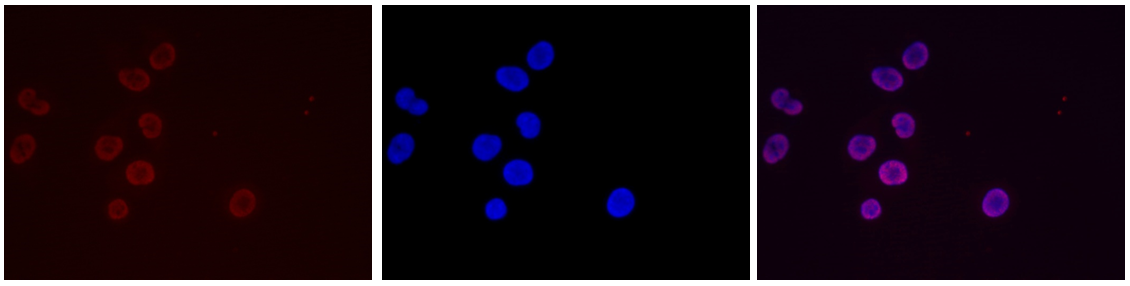
Figure 4.Immunofluorescence using the monoclonal antibody directed against H3K36me3
HeLa cells were stained with an antibody against H3K36me3 (cat. No. C15200183) and with DAPI. Cells were fixed with methanol and blocked with PBS/TX-100 containing 5% normal goat serum and 1% BSA. The cells were immunofluorescently labeled with the H3K36me3 antibody (left), diluted 1:500 in blocking solution, followed by an anti-mouse antibody conjugated to Alexa594. The middle panel shows staining of the nuclei with DAPI. A merge of the two stains is shown on the right. - 出版物

How to properly cite our product/service in your work
We strongly recommend using this: H3K36me3 Antibody - ChIP Grade (sample size) (Hologic Diagenode Cat# C15200183-10 Lot# 001-12). Click here to copy to clipboard.
Using our products or services in your publication? Let us know!
PRDM9 Methyltransferase Activity Is Essential for Meiotic DNA Double-Strand Break Formation at Its Binding Sites.
Diagouraga B, Clément JAJ, Duret L, Kadlec J, de Massy B, Baudat F
The programmed formation of hundreds of DNA double-strand breaks (DSBs) is essential for proper meiosis and fertility. In mice and humans, the location of these breaks is determined by the meiosis-specific protein PRDM9, through the DNA-binding specificity of its zinc-finger domain. PRDM9 also has methyltransferase ...Jmjd2c/Kdm4c facilitates the assembly of essential enhancer-protein complexes at the onset of embryonic stem cell differentiation
Tomaz R.A. et al.
Jmjd2 H3K9 demethylases cooperate in promoting mouse embryonic stem cell (ESC) identity. However, little is known about their importance at the exit of ESC pluripotency. Here, we reveal that Jmjd2c facilitates this process by stabilising the assembly of mediator-cohesin complexes at lineage-specific enhancers. Funct...Reader domain specificity and lysine demethylase-4 family function
Su Z. et al.
The KDM4 histone demethylases are conserved epigenetic regulators linked to development, spermatogenesis and tumorigenesis. However, how the KDM4 family targets specific chromatin regions is largely unknown. Here, an extensive histone peptide microarray analysis uncovers trimethyl-lysine histone-binding preferences ...Inhibiting WEE1 Selectively Kills Histone H3K36me3-Deficient Cancers by dNTP Starvation
Pfister SX et al.
Histone H3K36 trimethylation (H3K36me3) is frequently lost in multiple cancer types, identifying it as an important therapeutic target. Here we identify a synthetic lethal interaction in which H3K36me3-deficient cancers are acutely sensitive to WEE1 inhibition. We show that RRM2, a ribonucleotide reductase subunit, ...